


In a world where smartphones outnumber students, it’s no surprise that education is getting a tech makeover. Emerging technologies are not just buzzwords; they’re reshaping classrooms faster than a kid can say “Wi-Fi.” From virtual reality adventures to AI-powered tutors, the future of learning is looking brighter than a freshly charged tablet.
Overview of Emerging Technologies in Education
Emerging technologies reshape education significantly. Innovations like artificial intelligence (AI) and virtual reality (VR) enhance learning experiences. AI-powered tutors personalize instruction, adapting to individual student needs. These systems analyze performance data to deliver tailored support, promoting mastery of subjects.
AR and VR immerse students in interactive learning environments. These technologies facilitate virtual field trips and provide real-world simulations. Enhanced engagement leads to improved retention of information.
Gamification strategies also play a crucial role. Incorporating gaming elements into lessons motivates students to participate actively. Performance-based rewards encourage persistence and foster a love of learning.
Another important technology is cloud computing, which enables collaborative learning. Students access resources anywhere, fostering teamwork. Shared platforms support group projects and discussions, breaking geographical barriers.
Learning management systems (LMS) streamline course administration. Educators utilize these platforms to distribute materials, monitor progress, and provide feedback. Centralized systems simplify communication between teachers and students, enhancing accountability.
Data analytics offer insights into student behavior and performance. By identifying patterns, educators can adjust strategies for improved outcomes. Early interventions become possible, supporting struggling learners effectively.
Overall, the integration of these emerging technologies leads to a more dynamic educational landscape. Classrooms evolve into spaces that encourage creativity, critical thinking, and collaboration. The future of education lies in the hands of these revolutionary tools.
Types of Emerging Technologies
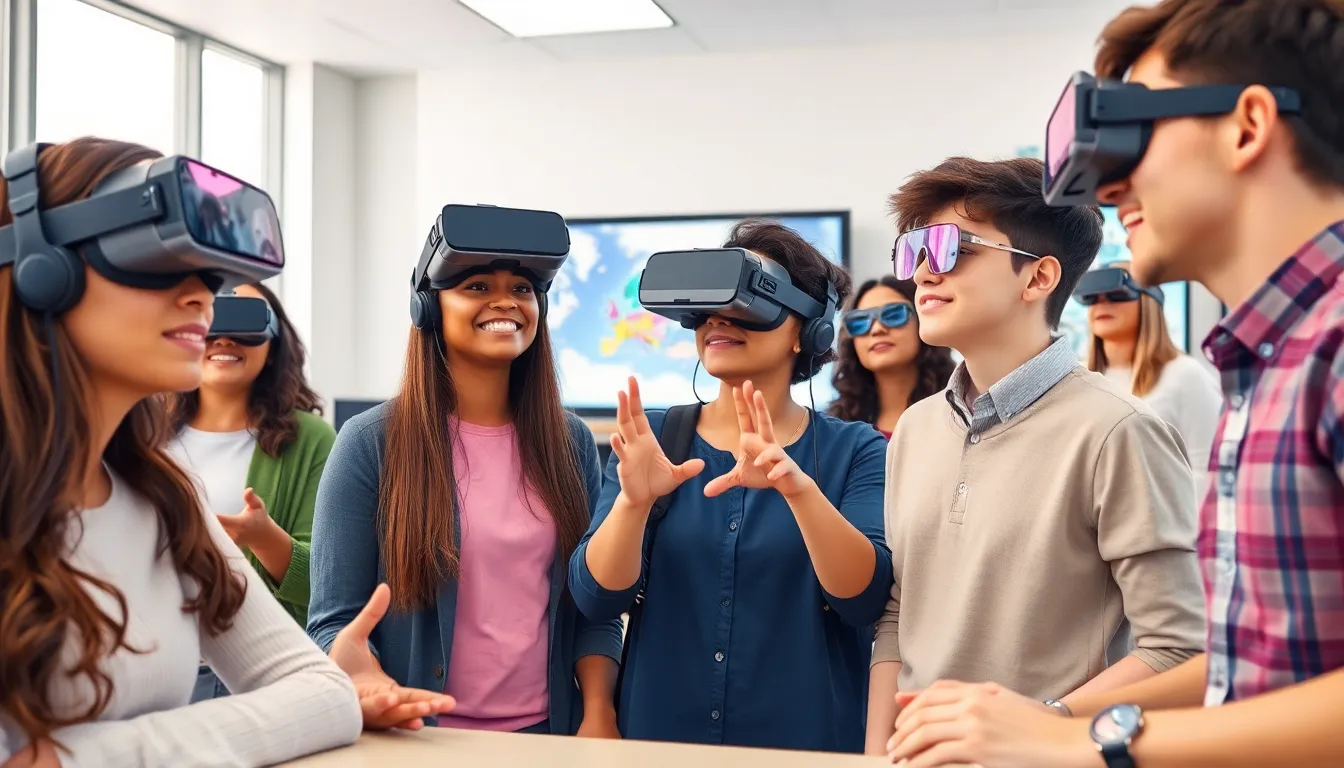
Emerging technologies are reshaping education, providing new tools and methods for learning. With advancements like virtual reality and artificial intelligence, the educational landscape is evolving rapidly.
Virtual Reality and Augmented Reality
Virtual reality and augmented reality create immersive learning opportunities. Students experience simulated environments that enhance understanding of complex concepts. For instance, VR can transport learners to historical sites, making history tangible. AR supplements real-world experiences by overlaying digital information onto physical surroundings, facilitating interactive lessons. These technologies increase engagement and improve information retention, ultimately transforming traditional classrooms into dynamic learning spaces.
Artificial Intelligence and Machine Learning
Artificial intelligence and machine learning are personalizing education pathways. Algorithms analyze student performance data to tailor instructional materials, addressing specific learning needs. AI-driven tutors provide real-time feedback and support, fostering independent learning. Additionally, adaptive learning platforms adjust content difficulty based on learner progress, ensuring each student receives appropriate challenges. This technology promotes a more effective and customized learning experience.
Learning Analytics and Big Data
Learning analytics and big data harness information to improve educational outcomes. By tracking student behaviors and performance metrics, educators gain insights into instructional effectiveness. Actionable data enables early intervention strategies for at-risk students, enhancing support systems. Furthermore, this information informs curriculum development, aligning teaching methods with learner needs. Overall, utilizing analytics leads to better decision-making and improved student success rates.
Benefits of Emerging Technologies in Education
Emerging technologies significantly enhance educational outcomes, providing various benefits for students and educators.
Enhanced Learning Experience
Interactive tools such as virtual reality (VR) and augmented reality (AR) create immersive experiences that deepen understanding. Students engage with complex concepts through simulations that make learning memorable. Innovations like gamification introduce game-like elements to lessons, increasing student motivation and participation. Tools that adapt to individual learning styles cater to diverse needs, ensuring that every student has a path tailored to their abilities. Real-time feedback from AI-driven platforms supports students in their journey, helping them progress at their own pace.
Improved Accessibility
Technologies transform access to education, breaking down geographical and social barriers. Cloud computing facilitates resource sharing, enabling students to learn from virtually anywhere. Accessible content brings educational materials to those with disabilities, promoting inclusivity in learning environments. Learning Management Systems (LMS) streamline communication between educators and learners, ensuring vital information reaches everyone. Mobile applications extend resources to smartphones, making it easier for students to study on the go, enhancing overall learning opportunities.
Challenges and Considerations
Emerging technologies in education bring significant changes but also present challenges that schools and educators must address.
Cost and Resources
Investment in emerging technologies can strain budgets. Schools often face high initial costs for technology tools, including VR headsets and AI software. Ongoing maintenance and updates require additional financial commitment. Many institutions may lack adequate resources to implement these technologies effectively. Furthermore, cloud computing relies on robust internet access, which is not universally available, leading to disparities in technology access. Limited funding affects not only procurement but also accessibility training and support for educators. Consequently, ensuring equitable access to these technologies remains a crucial challenge.
Teacher Training and Adaptation
Successful integration of technology depends on effective teacher training. Educators need support to adapt to new tools and methods. Many teachers find it challenging to keep up with rapid technological advances. Ongoing professional development is essential for educators to feel confident using these tools. Training programs must provide practical strategies for incorporating technology into lessons. Additionally, collaboration among educators can facilitate sharing best practices. Without adequate training, even the most advanced technology may not achieve its educational potential.
Future Trends in Emerging Technologies
Personalized learning experiences will become more common as AI advances. Adaptive technologies can tailor educational content based on individual student needs, ensuring everyone receives the support that suits them best. Furthermore, machine learning algorithms analyze ongoing performance data, allowing real-time adjustments to instructional materials.
Virtual reality (VR) and augmented reality (AR) continue to evolve, bringing immersive learning opportunities to classrooms. These experiences facilitate deeper engagement with complex concepts through virtual field trips and interactive simulations. Educators increasingly integrate these tools, enriching various subjects with practical applications.
Gamification strategies are likely to gain traction in educational settings. Incorporating game-like elements into lessons motivates students and enhances participation. Research shows that engaging students with rewards and challenges fosters a sense of achievement, promoting better retention of information.
Cloud computing resources offer flexibility that enables collaborative learning. Students can connect and engage with peers and educators from various locations, breaking down geographical barriers. Accessibility will improve overall, as online resources allow for the sharing of valuable educational materials.
Learning management systems (LMS) are optimizing course administration. These platforms streamline communication between students and educators, enhancing accountability. Data analytics play a crucial role in monitoring student behavior, providing actionable insights that support early interventions.
Equity in technology access remains a central concern. Schools must address disparities in internet connectivity to ensure all students can benefit from these advancements. Prioritizing professional development for educators is essential; comprehensive training translates technological potential into effective classroom applications.
As educational technology continues to progress, staying informed about these trends remains crucial for educators and stakeholders.
Emerging technologies are redefining the educational landscape by creating more engaging and personalized learning experiences. As innovations like AI VR and AR become integrated into classrooms they promise to enhance understanding and retention of complex concepts. However the journey toward effective implementation requires careful consideration of equity access and ongoing teacher training.
The potential for these technologies to foster collaboration and creativity is immense yet challenges remain. Educators must stay informed about trends and best practices to ensure that all students benefit from these advancements. By embracing these changes and addressing the accompanying challenges schools can create a more dynamic and inclusive educational environment for future generations.