


In a world where remembering passwords feels like an Olympic sport, biometric authentication swoops in like a superhero armed with high-tech gadgets. Imagine unlocking your phone with just a glance or a quick touch—no more frantic typing or password resets. Biometric tech isn’t just a fancy trend; it’s a game changer that makes digital security as easy as pie.
Overview of Biometric Authentication
Biometric authentication uses unique physical characteristics to verify identities, increasing security. Common methods include fingerprint scanning, facial recognition, voice recognition, and iris scans. Each method relies on distinctive biological traits, making it difficult for unauthorized users to gain access.
Fingerprint scanning remains one of the most widely adopted biometric methods due to its accuracy. This technology captures the unique patterns of ridges and valleys on a fingerprint, allowing for quick access. Facial recognition captures facial features through images or video, creating a digital map for comparison.
Voice recognition analyzes vocal attributes to verify identity. This method considers pitch, tone, and cadence, making it useful for secure transactions and voice-activated devices. Iris scanning focuses on the unique patterns in the colored part of the eye, providing a high level of security due to its complexity.
Data from various studies show that biometric authentication significantly reduces the risk of unauthorized access. According to a 2021 report by Grand View Research, the global biometric authentication market is projected to reach $56 billion by 2025, demonstrating an increasing trend toward adopting this technology.
Legislation and privacy concerns highlight the need for secure biometric data management. Many organizations now emphasize secure storage and transmission to protect individuals’ biometric data. As users become more aware of these issues, the demand for secure biometric solutions continues to rise.
Enhanced user experience accompanies biometric authentication, streamlining access across multiple devices. Users benefit from faster login processes and seamless integration into applications, making technology more accessible. Biometric systems often adapt to various devices, ensuring compatibility across platforms.
Types of Biometric Authentication
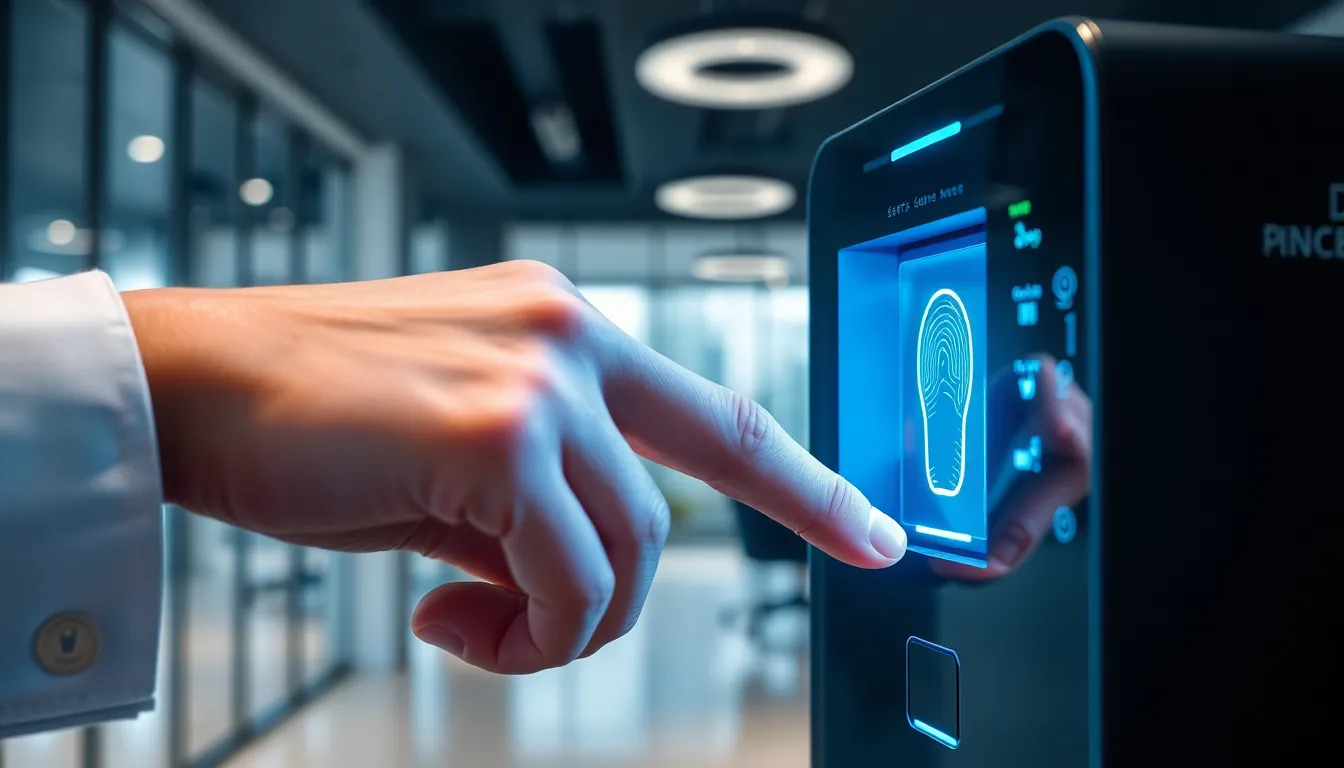
Various methods exist in biometric authentication, leveraging unique physical traits for identity verification. These methods enhance security and improve user convenience.
Fingerprint Recognition
Fingerprint recognition ranks among the most popular biometric methods. This method captures unique patterns in a person’s fingertip, making it highly accurate. Devices can quickly scan fingerprints and compare them to stored data for verification. The technology significantly reduces unauthorized access, as each fingerprint is distinct. Adoption of this method spans smartphones, biometric locks, and access control systems, demonstrating its versatility and reliability.
Facial Recognition
Facial recognition uses advanced algorithms to analyze facial features and create a unique facial map. Cameras capture images, which are transformed into data points for comparison against stored profiles. High accuracy makes this method effective for security and surveillance applications. Airports and smartphones widely employ this technology for efficient identification processes. Its ability to function in various lighting conditions further enhances usability, driving increased implementation.
Iris Scanning
Iris scanning offers one of the highest levels of security in biometric authentication. This method analyzes the unique patterns in the colored part of the eye, providing a highly distinctive identifier. Scanners capture detailed images of the iris, which are then compared to enrolled templates. Its complexity makes replication extremely challenging, enhancing security. Organizations prioritize using iris scanning for sensitive systems, such as governmental and financial services.
Voice Recognition
Voice recognition evaluates unique vocal attributes to verify identity. This method analyzes pitch, tone, and speech patterns, creating a voiceprint. With the growing popularity of virtual assistants, its use has expanded significantly. Businesses utilize voice recognition for authenticating customers in call centers and secure transactions. Its adaptability in different environments makes it a viable option for accessible biometric authentication solutions.
Advantages of Biometric Authentication
Biometric authentication provides several significant benefits, making it a preferred method for securing devices and sensitive information.
Enhanced Security
Biometric authentication significantly improves security by utilizing unique physical traits. Fingerprints, facial structures, and iris patterns create distinct identifiers that are difficult to replicate. In fact, a 2021 report indicates that the biometric authentication market will reach $56 billion by 2025, showcasing the accelerating demand for enhanced security measures. These unique identifiers reduce the risk of unauthorized access, making biometric methods more secure than traditional password systems.
User Convenience
User convenience stands out as a primary advantage of biometric authentication. Accessing devices through facial recognition or fingerprint scanning eliminates the hassle of remembering complex passwords. Devices unlock quickly with a glance or touch, streamlining user experience. Applications that integrate biometric technology benefit from faster logins and reduced friction during transactions. Users enjoy a seamless interaction with devices without sacrificing security.
Fraud Prevention
Fraud prevention is enhanced with biometric authentication systems. These technologies make it harder for fraudsters to gain unauthorized access. For instance, while conventional passwords can be easily stolen or guessed, biometric traits are inherently personal. Advanced algorithms in biometric systems analyze specific characteristics, making impersonation virtually impossible. Enhanced fraud prevention not only protects users but also builds trust in systems that increasingly rely on biometric solutions.
Challenges and Limitations
Biometric authentication, while effective, faces notable challenges and limitations that affect its adoption and implementation.
Privacy Concerns
Privacy issues present significant challenges for biometric authentication. Users worry about the storage and use of their biometric data. Unauthorized access to this data could lead to identity theft and misuse. Regulators emphasize the need for strict data protection measures. According to a 2021 survey, 75% of consumers express concerns about how companies collect and manage personal biometric information. Transparency surrounding data usage enhances user trust. Ensuring robust compliance with privacy laws is essential for organizations implementing biometric systems.
Technical Limitations
Technical limitations also hinder biometric authentication. Environmental factors can affect the accuracy of systems. For example, dirty or damaged sensors may lead to false rejections during fingerprint scans. Users with physical disabilities may struggle with certain biometric methods. Additionally, biometric data can present challenges in terms of security; once compromised, it cannot be changed like a password. Technical errors in facial recognition may arise due to varying lighting conditions or user angles. These weaknesses necessitate ongoing improvements in technology to ensure reliability.
Future Trends in Biometric Authentication
Emerging technologies are reshaping biometric authentication. Innovations enhance speed and accuracy, making systems more reliable for users. AI-driven algorithms improve facial recognition accuracy, adapting to various environments and lighting conditions.
Mobile devices increasingly integrate multiple biometric methods, offering users flexibility and convenience. Combining fingerprint scanning, facial recognition, and voice recognition enhances security measures for personal and financial applications.
Greater focus on privacy management is notable in this evolving landscape. Manufacturers are prioritizing secure storage solutions, employing encryption techniques to protect biometric data. A growing demand for transparency in handling biometric data shapes future legislation and compliance standards.
The integration of biometric authentication in Internet of Things (IoT) devices will expand. Smart home technologies will leverage biometric systems for enhanced security and user access management. The future sees connected devices utilizing unique traits for seamless transactions and service access.
Collaboration between technology firms and regulatory bodies also plays an important role. Establishing standards for biometric data use fosters consumer trust and encourages adoption. As public awareness about biometric security grows, users expect more robust solutions with clear privacy policies.
Emerging trends reveal a shift toward contactless biometric systems. The adaptation to environments, such as during the COVID-19 pandemic, underscored the demand for touchless technology. Facial recognition and voice authentication are key players in ensuring a user-friendly experience without physical contact.
Investment in biometrics research continues to explore new modalities, including DNA recognition. Advancements promise higher accuracy levels and harder-to-replicate traits. The future ultimately hinges on evolving technology, regulatory standards, and user acceptance, solidifying biometric authentication as a cornerstone of digital security.
Biometric authentication is rapidly transforming the landscape of digital security. By leveraging unique physical traits for identity verification, it not only enhances security but also simplifies user experience. As technology evolves and privacy concerns are addressed, the adoption of biometric systems is expected to grow significantly.
With advancements in AI and the integration of these systems into various devices, users can anticipate a future where security is both robust and convenient. The ongoing research into new modalities promises to further elevate the accuracy and effectiveness of biometric solutions. As organizations prioritize secure biometric data management, trust in these systems will likely increase, solidifying their place in everyday technology.